

Understanding Modern Home Protection Solutions
- Malcolm Withers

- Aug 31, 2025
- 4 min read
In today’s world, protecting your home has become more important than ever. With advances in technology, modern home protection solutions offer a variety of options to keep your property and loved ones safe. From smart locks to surveillance cameras, these tools provide peace of mind and practical security. This article explores the latest home protection methods, their benefits, and how to choose the right system for your needs.
The Importance of Home Protection in Modern Times
Home protection is no longer just about locking doors and windows. Criminals have become more sophisticated, and so have the tools to prevent break-ins and theft. Modern home protection solutions combine technology and convenience to create safer living environments.
Some key reasons why home protection is essential today include:
Increased crime rates in many areas.
The rise of smart technology that allows remote monitoring.
The need to protect valuable possessions and personal information.
Enhancing the safety of family members, especially children and elderly.
By investing in modern home protection, homeowners can deter intruders, respond quickly to emergencies, and even reduce insurance premiums.

Exploring Different Types of Home Protection Solutions
There is a wide range of home protection options available, each designed to address specific security concerns. Understanding these can help you make an informed decision.
1. Surveillance Cameras
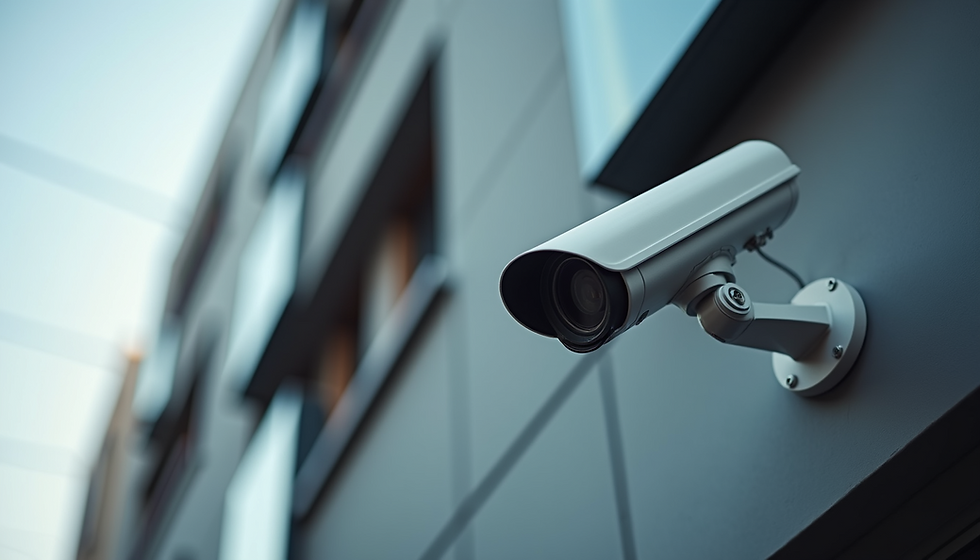
Surveillance cameras are one of the most effective deterrents against crime. They provide real-time monitoring and record footage that can be used as evidence if needed. Modern cameras come with features such as night vision, motion detection, and two-way audio, as well as specific area detection, cross line detection, and area blocking ( to prevent false activations from trees - bushes etc).
For example, home security systems often include PTZ (pan-tilt-zoom) cameras that allow you to control the camera’s view remotely, covering large areas with a single device. While also allowing the home owner to remotely view them from their mobile phone - tablet - ipad or laptop.
2. Smart Locks and Access Control
Smart locks replace traditional keys with digital access methods such as keypads, fingerprint scanners, or smartphone apps. They allow you to control who enters your home and when, even if you are not physically present.
3. Alarm Systems
Modern alarm systems are integrated with sensors on doors, windows, and motion detectors inside the home. When triggered, they alert homeowners and can notify emergency services automatically.
4. Environmental Sensors
These sensors detect hazards like smoke, carbon monoxide, or water leaks. Integrating them into your home protection system ensures safety beyond just security from intruders.
5. Lighting and Automation
Automated lighting systems can simulate occupancy by turning lights on and off at scheduled times. This simple tactic can discourage potential burglars.

What is the average cost of installing a home security system?
The cost of installing a home security system varies widely depending on the type of system, the size of your property, and the features you choose. Here’s a general breakdown:
Basic systems with door/window sensors and a control panel can start from around $300 to $500. Generally, these only have an external siren, with no remote access by mobile device.
Mid-range systems that include cameras, smart locks, and mobile app integration typically cost between $700 and $1,500.
High-end systems with advanced surveillance, professional monitoring, and automation can exceed $2,000+.
Installation fees may be additional, especially if professional setup is required. Some companies offer DIY kits that reduce costs but require more effort.
It’s important to consider ongoing costs such as subscription fees for monitoring services or cloud storage for video footage, while some systems have a NVR that storages imagesfor a set lenght of time or memory card slots for image storage.
Comparing different providers and packages will help you find a solution that fits your budget and security needs.

How to Choose the Right Home Protection Solution for You
Selecting the best home protection system depends on several factors:
Assess Your Security Needs
Evaluate the crime rate in your area.
Identify vulnerable points in your home such as ground-floor windows or back doors.
Consider the size and layout of your property.
Decide on Features
Do you want remote access and control via smartphone?
Is professional monitoring important to you?
Would you benefit from environmental sensors in addition to security devices?
Budget Considerations
Determine how much you are willing to spend upfront and monthly.
Factor in installation and maintenance costs.
Ease of Use
Choose systems with user-friendly interfaces.
Consider whether you prefer DIY installation or professional help.
Integration with Other Smart Devices
If you already use smart home devices, look for systems that can integrate seamlessly.
By carefully evaluating these points, you can select a home protection solution that offers the right balance of security, convenience, and cost.
Enhancing Home Protection with Practical Tips
Beyond installing technology, there are simple steps you can take to improve your home’s security:
Keep your property well-lit at night.
Trim bushes and trees near windows to eliminate hiding spots.
Use timers for lights and radios when you are away.
Secure ladders and tools that could be used to break in.
Get to know your neighbours and participate in community watch programs.
Regularly update passwords for smart devices and Wi-Fi networks.
Combining these practical measures with modern home protection solutions creates a comprehensive security strategy.
Future Trends in Home Protection Technology
The field of home protection is constantly evolving. Some emerging trends to watch include:
Artificial intelligence (AI) for smarter threat detection and response.
Facial recognition for access control.
Integration with voice assistants like Alexa or Google Home.
Advanced biometric systems beyond fingerprints, such as retina scans.
Energy-efficient and eco-friendly security devices.
Staying informed about these developments can help you upgrade your home protection system as new technologies become available.
Modern home protection solutions offer a wide range of options to secure your property effectively. By understanding the available technologies, costs, and practical tips, you can create a safer environment for your family. Whether you choose a simple alarm system or a fully integrated smart home security setup, investing in protection is a step towards peace of mind and security.


Comments