

How to Keep Your Home Safe and Secure
- Malcolm Withers

- Oct 27, 2025
- 4 min read
Keeping your home safe and secure is a priority for everyone. Whether you live in a busy city or a quiet suburb, protecting your property and loved ones is crucial. Fortunately, there are many practical steps you can take to enhance your home security. This guide will walk you through effective strategies to safeguard your home, from simple habits to advanced technology.
Understanding the Importance of Home Security
Home security is more than just locking your doors. It involves creating multiple layers of protection to deter intruders and respond quickly if a threat arises. A secure home provides peace of mind, knowing that your family and belongings are safe.
One of the first steps is to assess your current security measures. Look for weak points such as unlocked windows, poorly lit entrances, or outdated locks. Addressing these vulnerabilities can significantly reduce the risk of break-ins.
Practical Home Security Measures
Install strong locks on all doors and windows. Deadbolts are highly recommended.
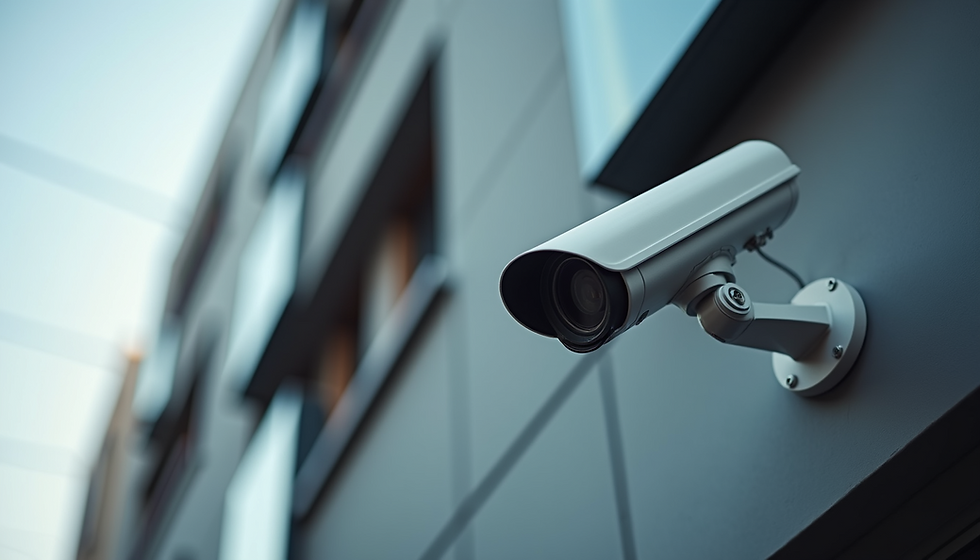
Use security cameras to monitor key areas around your home.
Keep your property well-lit at night with motion-sensor lights.
Trim bushes and trees near windows to eliminate hiding spots.
Secure sliding doors with a rod or bar in the track.

Key Components of Effective Home Security
To build a robust home security system, consider combining physical barriers, technology, and good habits. Each element plays a vital role in protecting your home.
Physical Barriers
Physical barriers such as fences, gates, and reinforced doors make it harder for intruders to access your property. Ensure all entry points are secure and difficult to force open.
Technology Solutions
Modern technology offers many options to enhance home security:
Alarm systems that alert you and authorities in case of a break-in.
Smart locks that allow you to control access remotely.
Security cameras with live streaming and recording features.
Video doorbells to see and speak with visitors before opening the door.
Good Security Habits
Simple habits can make a big difference:
Always lock doors and windows, even when you are home.
Don’t hide spare keys outside; give them to a trusted neighbour instead.
Be cautious about sharing your travel plans on social media.
Regularly check and maintain your security devices.
For more detailed security tips, you can visit trusted security service websites.

What are the 5 Basic Principles of Security?
Understanding the fundamental principles of security helps you design a comprehensive protection plan. These principles apply to both physical and digital security but are especially relevant to home safety.
Deterrence - Make your home appear difficult to break into. Visible cameras, alarm signs, and strong locks discourage criminals.
Delay - Use barriers that slow down intruders, giving you more time to react or for authorities to arrive.
Detection - Install devices that alert you when someone tries to enter your home, such as alarms - cameras and sensors.
Response - Have a plan in place for how to respond to a security breach, including contacting police or activating alarms.
Recovery - Prepare for the aftermath of a security incident by having insurance and documenting valuables.
Applying these principles ensures your home is not only protected but also prepared for any security challenges.

Enhancing Security with Smart Home Technology
Smart home technology has revolutionised home security. These devices offer convenience and advanced protection features that traditional systems cannot match.
Benefits of Smart Security Devices
Remote monitoring: Check your home from anywhere using your smartphone.
Instant alerts: Receive notifications if unusual activity is detected.
Integration: Connect cameras, alarms, and locks into one system.
Automation: Schedule lights and locks to operate automatically for added security.
Popular Smart Security Devices
Smart locks: Allow keyless entry and temporary access codes.
Video doorbells: See and talk to visitors remotely.
Security cameras: Offer live feeds and cloud storage.
While also offering
area masking - to prevent false activations
Specific area activation - only activate if area entered
Line cross activation - only activates if a specific line crossed
Motion sensors: Trigger alarms or lights when movement is detected.
When choosing smart devices, ensure they are from reputable brands and regularly update their software to protect against hacking.
Everyday Habits to Maintain a Secure Home
Security is an ongoing process. Maintaining good habits helps keep your home safe day after day.
Regularly check all locks and security devices to ensure they work properly.
Be mindful of who has access to your home keys or codes.
Keep valuables out of sight from windows.
Get to know your neighbours and participate in community watch programs.
Secure your garage and sheds as they can be entry points for burglars.
By combining technology with these simple habits, you create a strong defence against potential threats.
Taking steps to secure your home is an investment in your safety and peace of mind. From installing strong locks to adopting smart technology and practising good habits, every action counts. Remember, a well-protected home is a happy home. Start implementing these strategies today to keep your home safe and secure.


Comments