

Essential Practices for Keeping Your Home Secure
- Malcolm Withers

- Sep 17, 2025
- 3 min read
Keeping your home safe is a priority for everyone. A secure home protects your family, belongings, and peace of mind. With the right strategies, you can significantly reduce the risk of break-ins and other security threats. This article explores practical and effective ways to enhance your home security.
Understanding Home Security Basics
Home security starts with understanding the vulnerabilities in your property. Most burglars look for easy targets, so making your home less attractive to them is key. Start by assessing entry points such as doors, windows, and garages. Ensure all locks are sturdy and in good condition.
Practical steps include:
Installing deadbolt locks on all external doors.
Reinforcing door frames and hinges.
Using window locks or security bars.
Keeping shrubs and trees trimmed to eliminate hiding spots near windows.
Lighting also plays a crucial role. Well-lit exteriors deter intruders by increasing the chance of being seen. Motion-activated lights are especially effective as they surprise anyone approaching your home.

Enhancing Home Security with Technology
Modern technology offers many tools to improve home security. Installing a security system is one of the best investments you can make. These systems often include alarms, cameras, and sensors that alert you to suspicious activity.
Key technology options to consider:
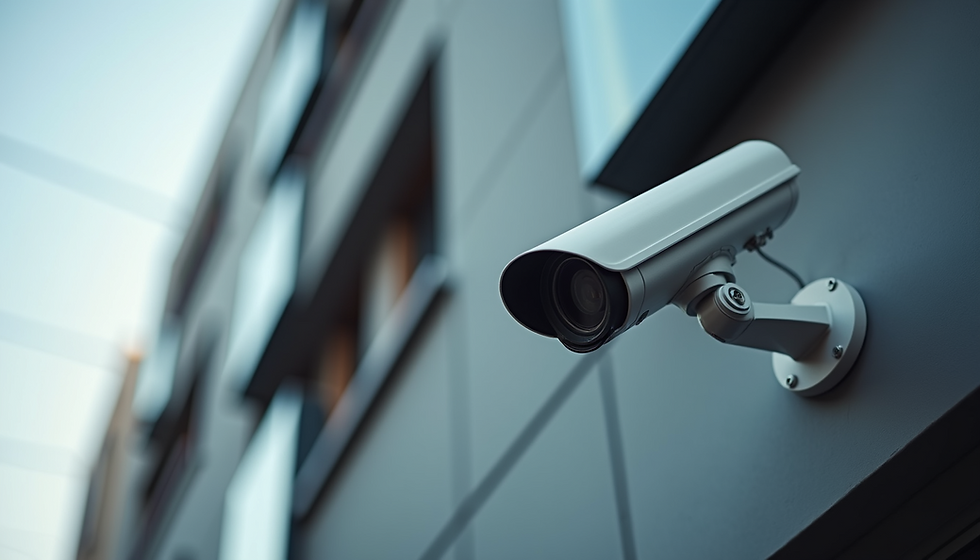
Security Cameras: Place cameras at entry points and blind spots. Choose models with night vision and remote access.
Alarm Systems: A loud alarm can scare off intruders and notify neighbours or authorities.
Smart Locks: These allow you to control door locks remotely and monitor who enters your home.
Video Doorbells: They let you see and speak to visitors without opening the door.
Integrating these devices with your smartphone means you can monitor your home anytime, anywhere. This level of control adds an extra layer of protection.

For more detailed security tips, consider consulting professional security services that can tailor solutions to your specific needs.
What are the 5 C's for security guards?
The 5 C's are essential principles that security guards follow to maintain safety and order. Understanding these can also help homeowners think like a security professional when protecting their property.
Caution: Always be alert and aware of your surroundings.
Courtesy: Treat everyone with respect while maintaining authority.
Communication: Keep clear and effective communication with others.
Competence: Be knowledgeable and skilled in security procedures.
Control: Maintain control of situations calmly and confidently.
Applying these principles at home means staying vigilant, respectful to visitors, communicating clearly with family members about security protocols, learning about security tools, and managing emergencies calmly.

Simple Yet Effective Security Practices
Beyond technology and professional principles, there are everyday habits that improve home security. These small actions can make a big difference.
Lock doors and windows every time you leave or go to bed.
Don’t hide spare keys outside; give them to a trusted neighbour instead.
Use timers for lights and radios when you’re away to simulate occupancy.
Keep valuables out of sight from windows.
Get to know your neighbours and watch out for each other.
Regularly updating your security measures is also important. Check locks, alarms, and cameras periodically to ensure they work properly.
Securing Outdoor Areas and Garages
Outdoor spaces and garages are often overlooked but can be vulnerable points. Securing these areas helps prevent easy access to your home.
Install strong locks on garage doors and side gates.
Use motion sensor lights around the perimeter.
Keep ladders and tools locked away to prevent them being used to break in.
Consider fencing your property to create a physical barrier.
Landscaping can also enhance security. Thorny bushes under windows and clear sightlines from the street discourage intruders.

Staying Prepared and Informed
Security is an ongoing process. Stay informed about local crime trends and new security technologies. Join community watch programs or online neighbourhood groups to share information and support.
Having an emergency plan is also vital. Make sure everyone in your household knows what to do in case of a break-in or other security threat. Practice drills and keep emergency numbers handy.
By combining practical measures, technology, and awareness, you can create a secure environment that protects your home and loved ones effectively.


Comments