

Choosing the Right Technology for Your Home Safety
- Malcolm Withers

- Aug 1, 2025
- 4 min read
Ensuring the safety of your home is a priority for many homeowners. With advancements in technology, there are numerous options available to enhance home safety. From smart locks and surveillance cameras to security alarms and home automation, it can be overwhelming to choose the right technology for your specific needs. In this blog post, we'll explore various options, tackle common concerns, and provide tips for selecting the best safety technology for your home.
Understanding Home Safety Technology
Home safety technology encompasses a wide range of products designed to protect your home and family. These products can deter burglars, alert you of fire or carbon monoxide dangers, and provide emergency assistance. Bob Johnson, a security industry expert, states that investing in these technologies not only protects your belongings but also offers peace of mind.

Types of Home Safety Technology
When it comes to home safety, you have several categories of technology to consider:
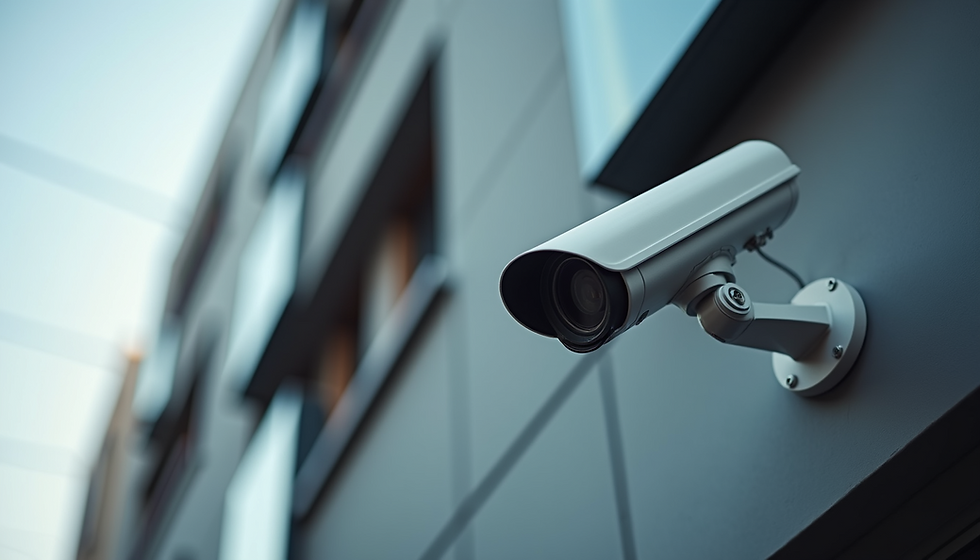
Security Cameras: Surveillance cameras can be placed inside and outside your home. They enable constant monitoring through your smartphone and can provide vital evidence in emergencies.
Smart Doorbells: These devices include cameras and two-way audio, allowing you to see and talk to visitors before opening the door.
Alarm Systems: These systems detect unauthorized entry or danger and alert homeowners and authorities. They can include door/window sensors and motion detectors.
Smart Locks: A keyless entry system allows you to lock or unlock your doors remotely and provides a record of who enters your home.
Fire and Carbon Monoxide Detectors: These devices can alert you to smoke or toxic gas presence before it becomes a severe threat.
What is the Best Security for a House?
Choosing the best security for your house depends on several factors, including your budget, the size of your property, and your specific safety concerns. Here are a few options classified by their effectiveness and popular usage:
Comprehensive Alarm Systems: These typically include multiple features such as door sensors, surveillance cameras, and monitoring services. They are highly effective for total security management.
Video Surveillance: High-definition cameras can capture clear images. Look for models with night vision and motion detection capabilities.
Smart Home Integration: Devices that can connect and work together, such as locks, cameras, and alarms, provide a seamless security experience. Consider systems that can be controlled remotely via smartphone apps.

Budget Considerations for Home Safety Technologies
Your budget is crucial when selecting home safety technology. Here are a few tips to consider:
Prioritize Essential Features: Look for must-have features based on your home's vulnerability and your family's needs. Aim for a balance between necessary safety and cost.
Consider Monthly Fees: Some security systems require ongoing monitoring fees. Keep this in mind when calculating the overall cost of a system.
Invest in Quality: While it may be tempting to go for cheaper options, investing in higher-quality products can save you money in the long run. Quality systems are more reliable and durable.
Investing in Home Security Systems
Home security systems, such as those found at Gunnedah Security Service, offer comprehensive solutions for safeguarding your home. Here are some features to look for when evaluating these systems:
24/7 Monitoring: Many home security systems offer continuous monitoring services, alerting authorities in case of an emergency.
Mobile Alerts: Real-time notifications to your smartphone will keep you informed of unusual activities around your home.
Installation Options: Decide whether you want a system that you can install yourself or prefer to hire professionals.

The Importance of Regular Maintenance
Investing in home safety technology requires ongoing attention. Regular maintenance ensures your devices function correctly. Here are some maintenance tips:
Test Equipment Monthly: Regularly test smoke detectors, security alarms, and cameras. Replace batteries as needed.
Software Updates: Keep your devices’ software updated to benefit from the latest features and security patches.
Calibrate Settings: Adjust camera angles, motion sensitivity, and alert settings based on seasonal changes and landscaping.
Future of Home Safety Technology
The landscape of home safety technology continues to evolve. As more devices become connected, the concept of smart homes will gain ground. Here’s what you can expect in the future:
Integration with AI: Artificial intelligence will enhance home security by learning your habits and detecting patterns to flag unusual behavior.
Improved Connectivity: Higher bandwidths will allow connected devices to communicate more effectively, creating a cohesive system.
Advanced Sensors: Beyond standard smoke and motion sensors, advanced technologies will detect subtle changes in the environment, improving threat detection.
Choosing What Works Best for You
In the end, the key to choosing the right home safety technology is understanding your specific needs. Assess your lifestyle, the layout of your home, and your family's safety priorities. It's crucial to ask yourself:
What areas of my home need the most protection?
How tech-savvy am I? Will I need help with installation?
What is my budget for both initial investment and maintenance?
Taking the time to analyze these aspects will lead to a smart investment in your home’s safety.
Be informed, be prepared, and most importantly, ensure your home is a safe haven for you and your loved ones.


Comments